
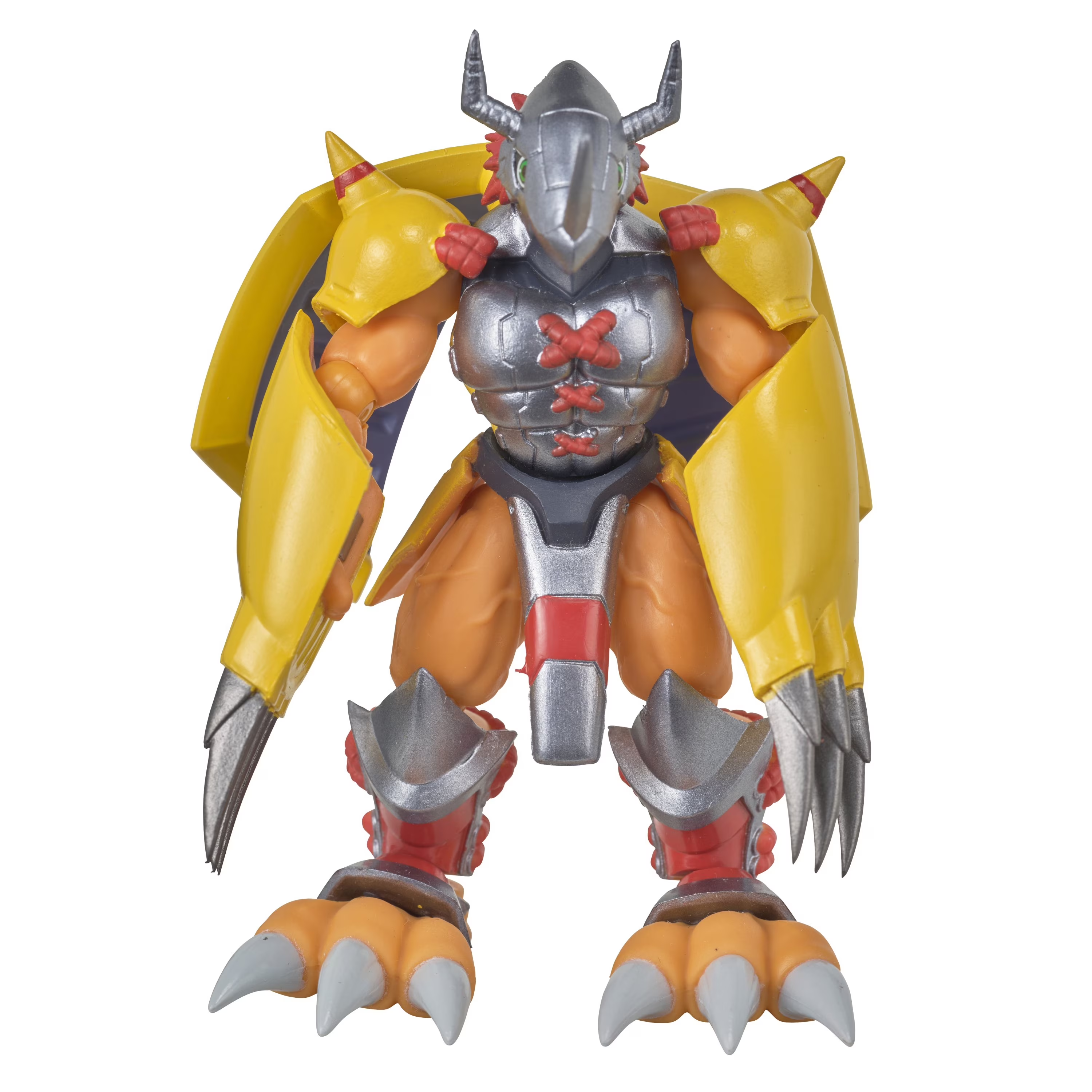
If you are searching for digimon figures, you are probably not just looking for any small plastic monster to sit on a shelf. You are trying to find the version that feels right: a partner Digimon you actually remember, a sculpt that looks good from across the room, or a gift that does not feel like a random anime item picked in a rush.
Buying digimon figures as a gift sounds easy until you start comparing sizes, styles, seller photos, and what the fan already owns.
That is where this category gets interesting. Digimon collecting sits between nostalgia, creature design, anime fandom, gaming memory, and display culture. Some buyers want a clean official-style Agumon for a desk. Others want a dramatic evolution-stage figure that anchors a whole shelf. The best choice depends less on hype and more on what kind of collector value you want after the package is opened.
Why Digimon Figures Still Work for Collectors
Digimon has a different collecting energy from many character-driven anime lines. The appeal is not only about one human protagonist or one iconic outfit. It is about partner bonds, evolution lines, creature silhouettes, and the emotional memory of seeing a familiar Digimon appear in a game, anime episode, card artwork, or childhood toy aisle.
That gives digimon figures a strong display advantage. A single figure can represent a whole era of fandom. Agumon and Gabumon usually read as classic and friendly. WarGreymon and MetalGarurumon feel more like centerpiece choices. Patamon, Gatomon, Gomamon, and Terriermon lean softer and gift-friendly, especially for fans who like cute shelf companions rather than dramatic battle poses.
Collector value here is not only about rarity. It is also about recognition, shelf presence, and whether the sculpt captures the character personality. A figure with clean paint, a stable pose, and a familiar expression may be more satisfying than a complicated item that looks impressive online but feels awkward in a real display.
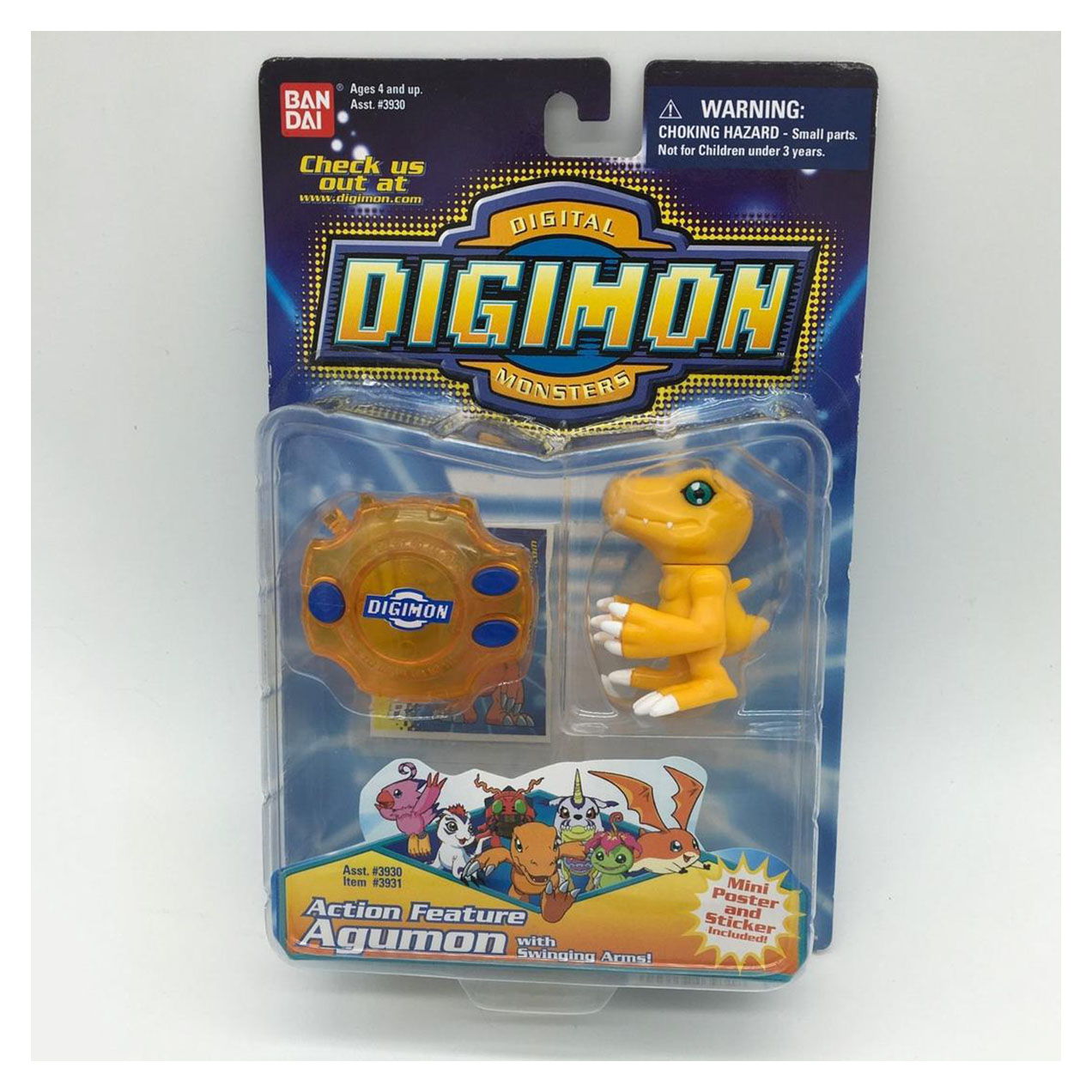
I would also separate personal value from resale-minded collecting. If you are buying for yourself, choose the Digimon that makes you stop scrolling. If you are buying as a gift, choose a character with broad recognition or a safer visual style. Those two choices are not always the same.
The Collector Value Question: What Are You Really Paying For?
A good digimon figures buying guide should start with the part many product pages avoid: what actually creates value? In this niche, value usually comes from four things: character popularity, sculpt quality, condition, and display usefulness. Packaging can matter too, especially for sealed collectors, but it should not be the only reason you buy.
Character choice is the easiest to understand. Familiar partner Digimon and major evolution forms tend to be more instantly recognizable to casual fans. That makes them safer for gifts and easier to display in mixed anime collections. More niche Digimon can be wonderful for dedicated fans, but they require knowing the recipient or your own taste well.
Sculpt quality is harder to judge from a small product photo. Look for the pose first. Does the figure look balanced, or does it depend on a very thin support point? Are the claws, wings, ears, horns, or tails shaped clearly? With creature figures, the silhouette matters a lot because many Digimon designs are defined by outline before detail.
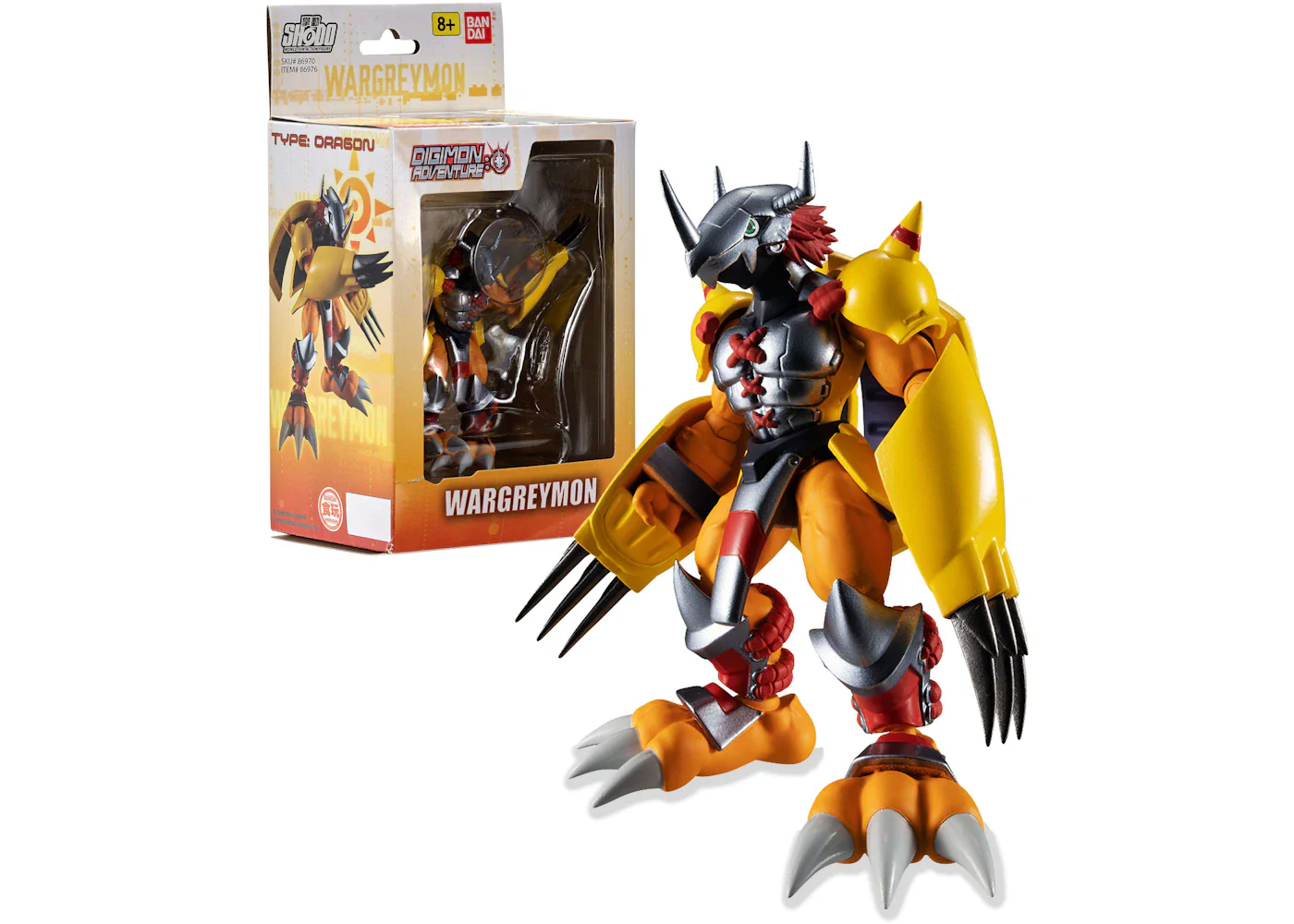
Paint is the other big factor. Digimon designs often use strong color blocking: orange, blue, yellow, white, black, metallic gray, red, and gold. Sloppy borders between colors can make a figure look cheaper than it is. Clean eyes, readable face details, and tidy markings usually do more for display quality than tiny accessories.
Best Digimon Figures for Different Types of Fans
Related Reading
Related Reading
Not every buyer wants the same kind of figure. A serious collector may care about scale, pose, and packaging condition. A casual viewer may just want a friendly desk piece. A parent or friend buying a birthday gift may care more about whether the character is recognizable and easy to enjoy immediately.
For classic anime fans
For fans who grew up with the earlier anime era or still associate Digimon with partner-style storytelling, classic partner forms are usually the safest emotional buy. Agumon, Gabumon, Patamon, Gatomon, Gomamon, Biyomon, Tentomon, and Palmon all carry strong nostalgia without requiring a huge display space.
The best versions in this lane are not always the most dramatic. A relaxed standing pose, bright colors, and a friendly expression often work better on a desk or bookshelf. These are also strong digimon figures gift ideas because they feel personal without being too intense or expensive-looking.
For centerpiece collectors
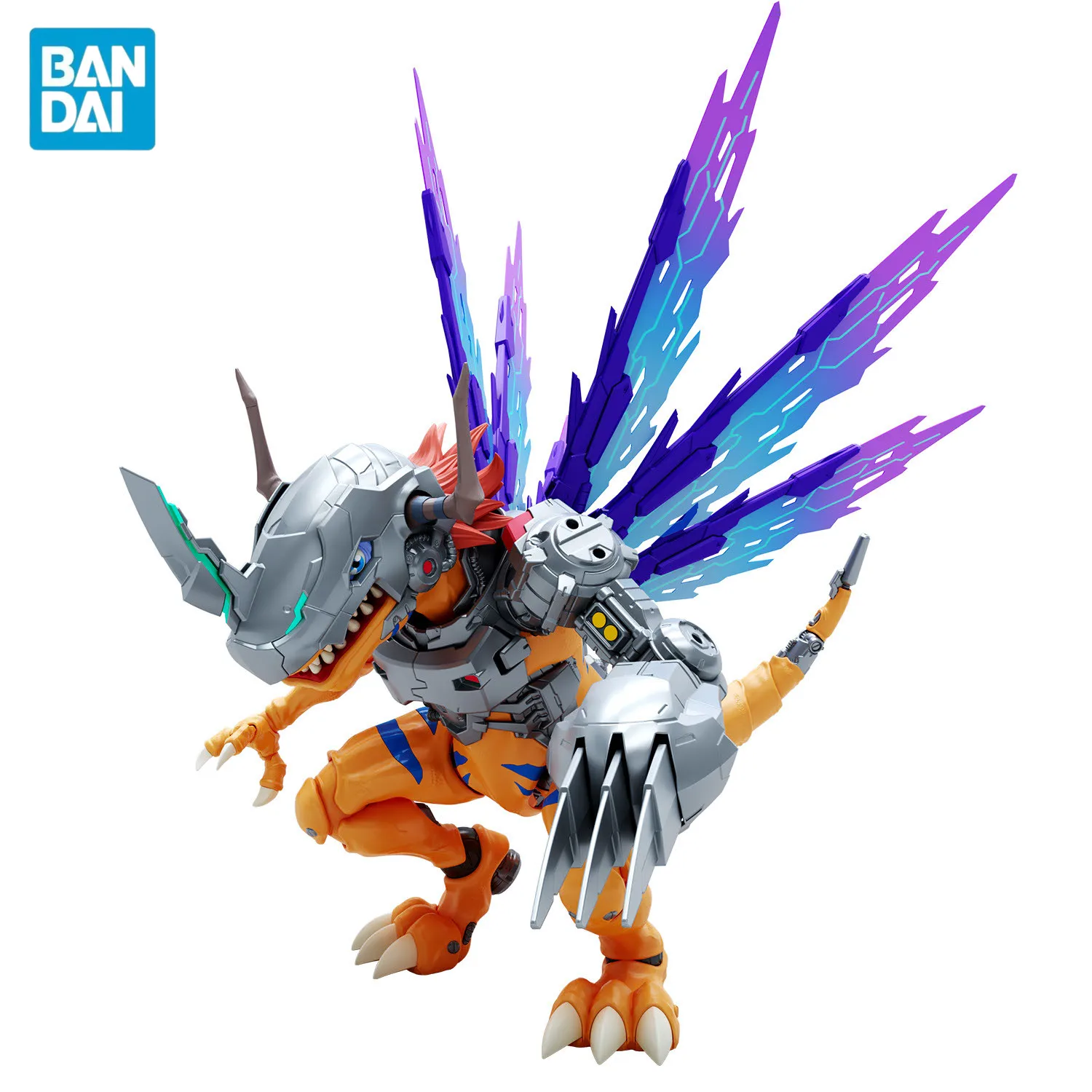
If you want a figure that gives a shelf a focal point, evolved forms are usually more satisfying. WarGreymon, MetalGarurumon, Angemon-style silhouettes, and other armored or winged designs have more visual weight. They look better with risers, acrylic stands, LED lighting, or a background card display.
This is where buyers should slow down. Big wings, long claws, armor parts, and dynamic poses can look amazing, but they can also be more fragile. Check product photos from multiple angles when possible, and pay attention to whether the figure needs a base, support rod, or careful assembly.
For game and card fans
Some buyers connect Digimon more with games, virtual pets, or card collecting than with anime scenes. For them, the best figure may be one that pairs well with cards, game cases, handheld devices, or a small retro gaming setup.
A compact figure with a strong front-facing pose can be better than a huge statue here. It can sit beside a card binder, controller stand, or display cube without taking over the entire shelf. Collector value comes from how well the piece fits the rest of the fan setup.
For cute merch collectors
Not every Digimon display needs to look like a battle scene. Small, cute, chibi-style, or softer figures can work well for dorm rooms, office desks, nightstands, and gift boxes. These are especially good when you do not know whether someone has space for a larger collectible.
The trade-off is that cute-style figures may feel less canon-accurate or less premium to hardcore collectors. That does not make them bad. It just means they are emotional merch first and display investment second.
Official Style vs Fan Merch: How to Choose Without Overthinking It
The phrase digimon figures official style can mean different things depending on the seller. Some buyers use it to mean officially licensed products. Others mean a figure that visually matches the anime, game artwork, or familiar character proportions. Those are related, but they are not identical.
If authenticity matters to you, look for clear licensing information, recognizable manufacturer details, proper packaging photos, and seller transparency. Official items usually give buyers more confidence about design approval, safety standards, and consistency, though availability can vary by region and release history.
Fan-made or artist-made items can still be appealing, especially when they explore characters that do not often receive mainstream figure treatment. Digimon figures fan merch may include resin pieces, custom sculpts, 3D-printed models, charms, miniatures, or hand-painted items. The upside is originality. The downside is that quality, durability, and finish can vary dramatically.
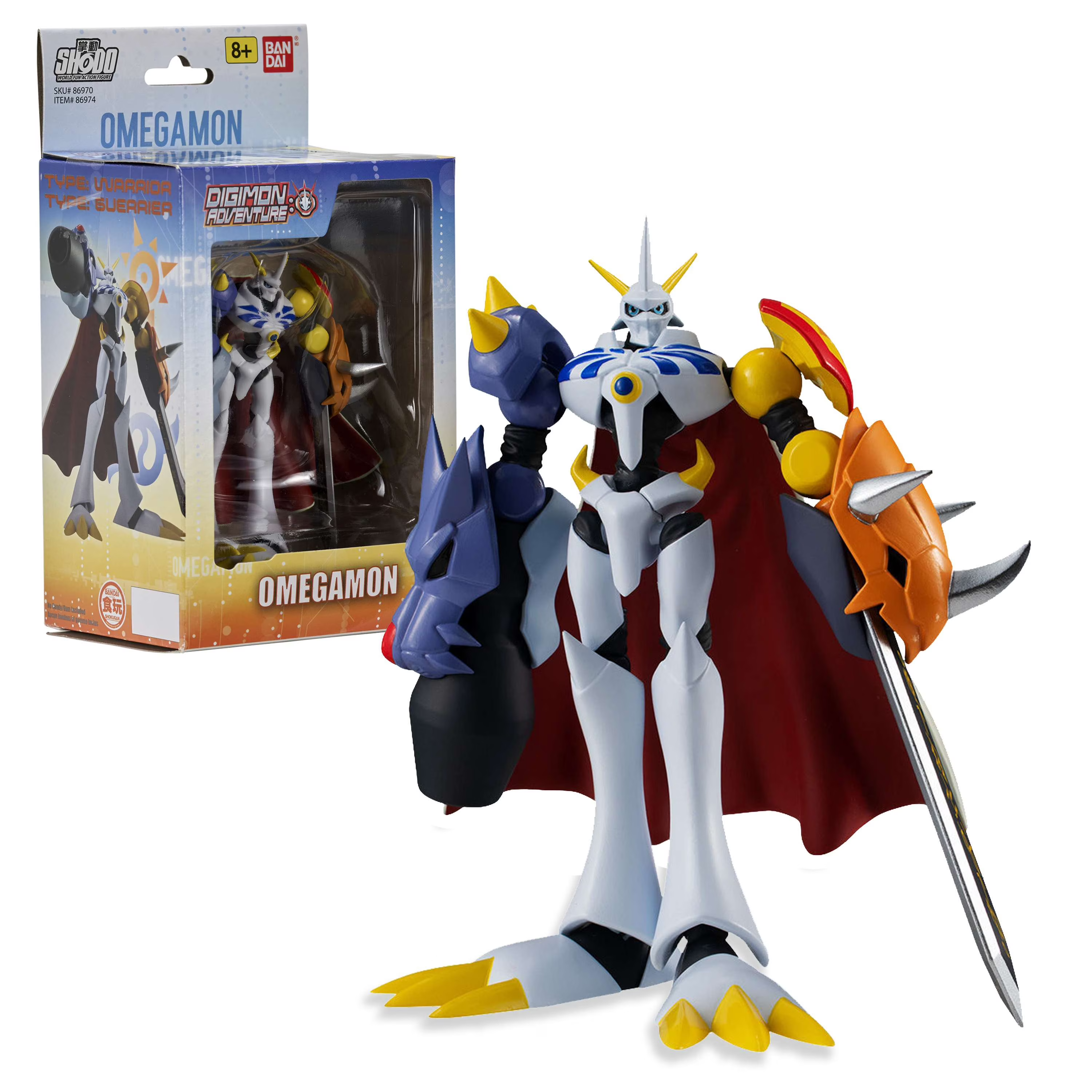
My rule is simple: buy official-style items when you want a safe gift, a clean shelf piece, or a collectible you may keep boxed. Consider fan merch when you already understand the character, like the artist style, and are comfortable with handmade variation. For gifts, always check whether the recipient prefers official goods, because some collectors care a lot.
Buying Guide: What to Check Before You Pay
A practical buying guide for Digimon figures comes down to inspection habits. Before you order, zoom in on product photos and read the description carefully. If the listing only has one small image, treat that as a reason to pause rather than a bargain signal.
Check scale and dimensions first. Many disappointed buyers expected a dramatic shelf statue and received a small capsule-style figure. Others expected a compact desk piece and ordered something too tall for their display cube. Measurements matter more than promotional photos because photos rarely show real shelf context.
Condition language is also important. New, sealed, opened, used, displayed, missing box, damaged box, and unassembled can mean very different things. A damaged outer box may not bother an opener, but it matters to a sealed collector. Missing parts, loose joints, bent accessories, or paint transfer are bigger issues because they affect the figure itself.
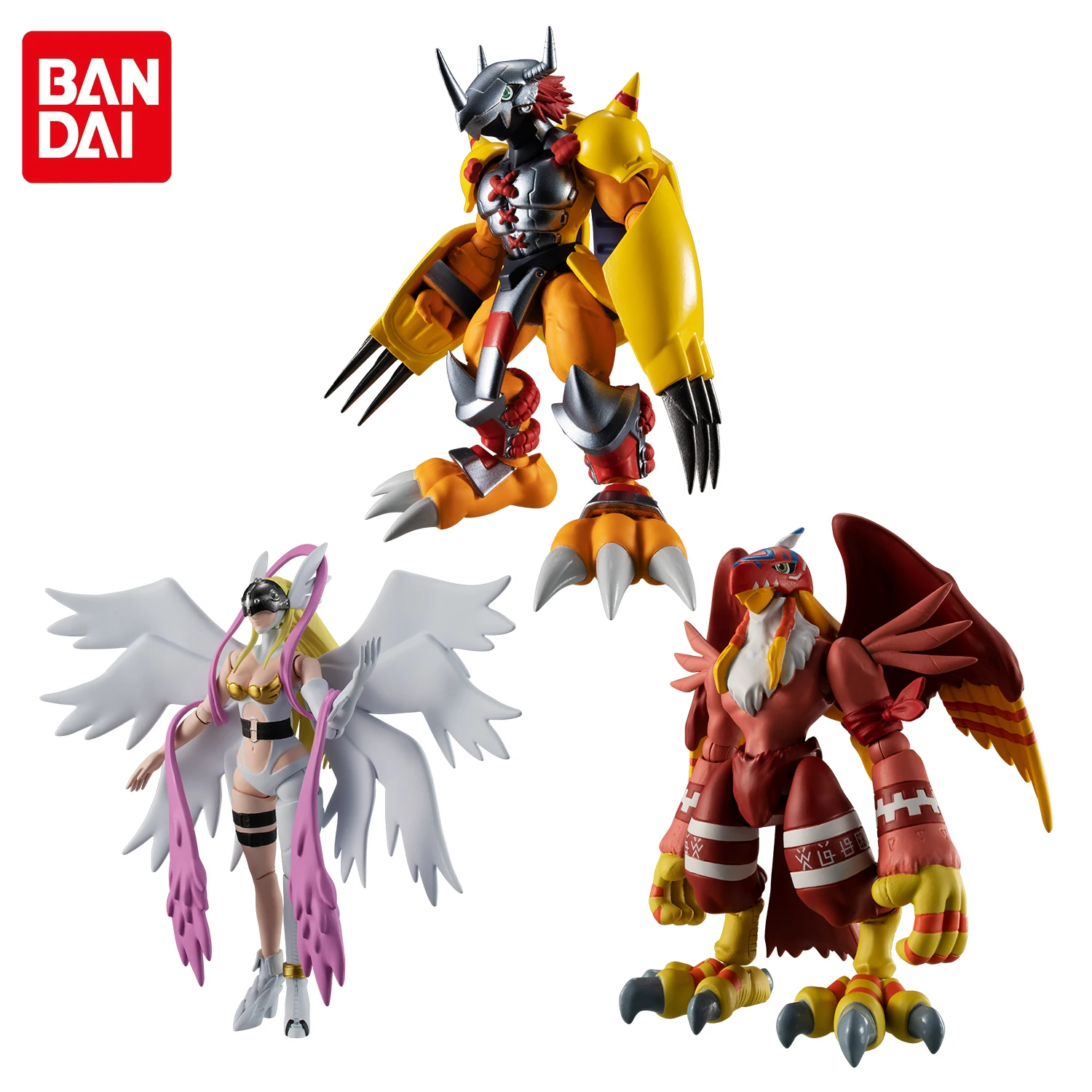
For imported goods, consider shipping risk. Horns, wings, tails, claws, and thin stands can be vulnerable in transit. Good packaging is not glamorous, but it can decide whether a figure arrives display-ready. If you are ordering from a marketplace seller, look for clear handling notes, return policies, and buyer feedback that mentions packaging quality.
Display Ideas That Make Digimon Figures Feel More Valuable
A figure often feels more valuable once it has a proper place to live. Digimon designs respond well to themed display because the franchise has strong visual categories: partner pairs, evolution lines, elemental groups, rookie-to-mega progression, and mixed anime plus game nostalgia.
One easy setup is a partner shelf. Place smaller partner Digimon in the front and larger evolved forms behind them. Even if the figures are not perfectly in scale, the arrangement tells a story. That story is what makes the shelf feel collected rather than cluttered.
A second option is a color-led display. Orange Agumon-style figures can sit near warm lighting and red or gold accents. Blue and silver Digimon look strong with cool white lighting, clear risers, and darker backdrops. That sounds small, but it matters on a shelf because strong colors can either pop or fight each other.
For mixed anime rooms, keep Digimon figures together instead of scattering them randomly between unrelated characters. A small grouped display has more identity. Add a card binder, a game case, an art print, or a clean acrylic riser, and the setup instantly reads as intentional.
Gift Notes: Safer Picks for Birthdays, Holidays, and Fan Boxes
When buying for someone else, the safest choice is not always the rarest one. It is the figure that matches their level of fandom and their living space. A casual fan may love a recognizable Digimon more than a deep-cut creature they cannot place immediately.
For birthdays or holidays, choose sturdy, easy-to-display pieces. Avoid fragile resin-style items unless you know the recipient collects that kind of merch. If the person lives in a small apartment, dorm, or shared space, a compact figure is often better than a dramatic oversized piece.
Digimon figures gift ideas also work well in themed bundles. A small figure plus a card pack, sticker sheet, display stand, or anime-style art print can feel thoughtful without needing a huge budget. Just avoid mixing too many random items. A tight theme feels curated; a messy box feels like a clearance cart.
If the gift is for a serious collector, ask one quiet question if possible: boxed or unboxed? Some collectors care about packaging condition more than casual buyers expect. If you cannot ask, choose a reputable seller, avoid listings with vague photos, and keep all packing materials until the recipient has checked the item.
Common Mistakes That Make Buyers Regret an Order
The first mistake is buying only from the front photo. Creature figures can look great from one angle and awkward from another. Tails, wings, bases, and action poses change how much space the figure needs. Side and back views are not bonus information; they are part of the purchase decision.
The second mistake is ignoring scale. A listing title may sound impressive, but the actual figure might be much smaller than expected. Always check measurements in inches or centimeters, especially if you are buying for a display case with fixed shelf height.
The third mistake is assuming every official-looking item is officially licensed. Packaging style, product photography, and familiar character art can be misleading on some marketplaces. If official status matters, verify the listing details instead of relying on the general look.
The fourth mistake is treating fan merch as automatically lower value or automatically more special. Both views are too simple. Some fan-made items are beautiful display pieces, while others may have rough paint, visible print lines, or fragile parts. Judge the actual photos, materials, seller reputation, and return expectations.
Final Take: If You Only Buy One Thing
If you only buy one Digimon figure, choose the character you would still want to see on your shelf six months from now. That is the most reliable collector test. A figure can be rare, dramatic, or heavily promoted, but if it does not connect with your version of Digimon fandom, it will eventually feel like shelf filler.
For most buyers, I would start with a recognizable partner Digimon or one strong evolved form. Partner figures are easier to gift, easier to display, and less risky for casual fans. Evolved forms are better if you want shelf presence and already know which character matters most to you.
The best digimon figures are not just collectibles. They are small anchors for a fandom that crosses anime, games, virtual pets, cards, and childhood memory. Buy slowly, check the details, and pick the piece that actually fits your shelf instead of the one that only looks loud in a product photo.
FAQ
Are Digimon figures good gifts for casual anime fans?
Yes, if you choose a recognizable character and a size that is easy to display. Agumon-style or other classic partner figures are usually safer than fragile statues or niche characters. For casual fans, cute or clean official-style figures often work better than complex collector pieces.
Should I buy official Digimon figures or fan merch?
Official items are usually the safer choice for gifts, sealed collecting, and buyers who care about licensing. Fan merch can be great when you like a specific artist style or want a character that is harder to find, but quality and durability can vary. Check photos, materials, and seller policies carefully.
What should I check before ordering a used figure?
Look for missing parts, paint wear, loose joints, bent accessories, box condition, and clear photos from more than one angle. If the figure has wings, claws, horns, or a stand, make sure those parts are shown clearly. Vague listings are risky, especially for imported collectibles.
Which Digimon figures have the best collector value?
Collector value usually comes from character popularity, sculpt quality, condition, packaging, and how well the figure displays. Classic partners and major evolved forms tend to have broader appeal, but personal attachment matters too. A clean, stable figure of a favorite Digimon can be more satisfying than a rare piece you do not love.
How should I display Digimon figures?
Group them by partner lines, evolution stages, color themes, or franchise memory. Risers, small lights, card binders, and acrylic cases can make a display feel more intentional. Avoid overcrowding, because Digimon designs often have tails, wings, and strong silhouettes that need breathing room.